Affordable Fire Department Dispatch That Scales
Wednesday, 24 June 2026 08:30There's a wide gap between "we have no real dispatch system" and "we can spend six figures on enterprise CAD." A lot of capable departments live in that gap. They've outgrown phone trees, pagers, and paper logs, but a traditional computer-aided dispatch system is priced for agencies many times their size. So they make do, and situational awareness suffers for it.
The good news is that modern, web-based dispatch has closed a lot of that gap. You no longer have to choose between nothing and everything. And the smartest way to enter is with a system that starts affordable but doesn't dead-end, one that grows into a full response platform as your budget and needs grow with it.
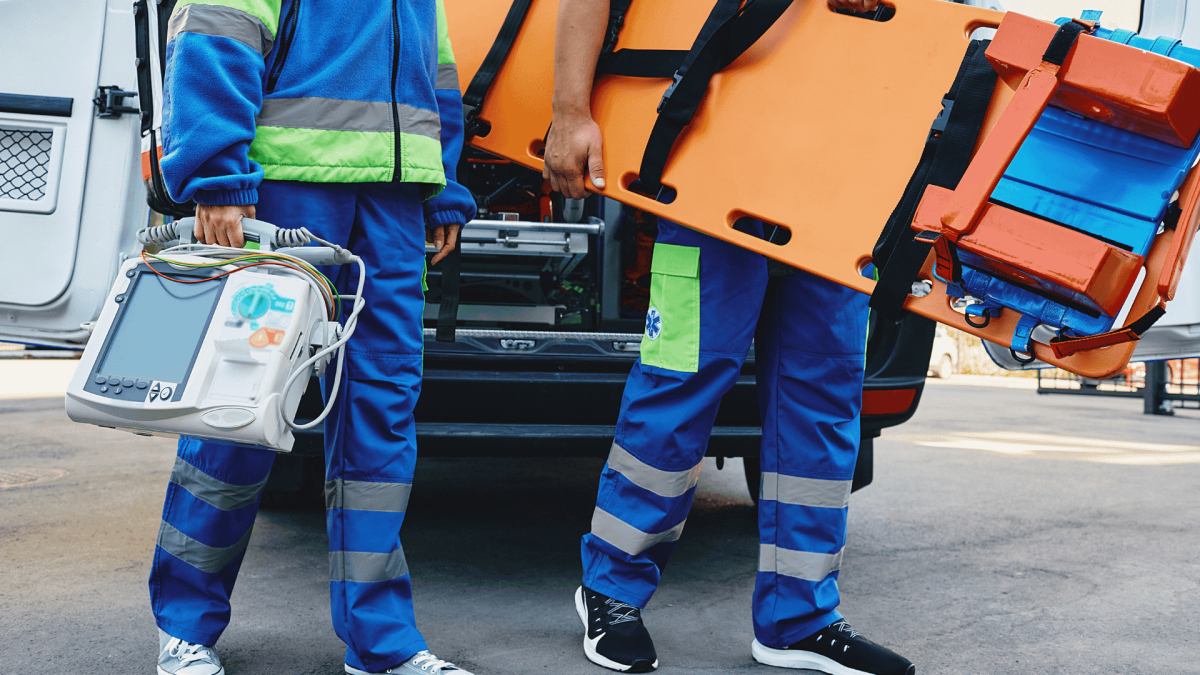
The calls are done, the rig is back in quarters, and the crew is tired in the way that only a long EMS shift can make you. But the shift isn't over. There's still the reporting: the incident narrative, the timestamps, the fields that have to be keyed into the records system one more time. For a lot of providers, that final stretch of paperwork is the part that grinds them down the most.
Burnout in EMS has a real emotional core, and no software fixes the weight of a hard call. But burnout is also a workload problem, and a surprisingly large share of that workload is administrative. When you strip out the redundant paperwork, the double data entry, and the manual logging that eats into every shift, you give providers something they rarely get back: time. That's where technology has a genuine role to play in keeping your people.
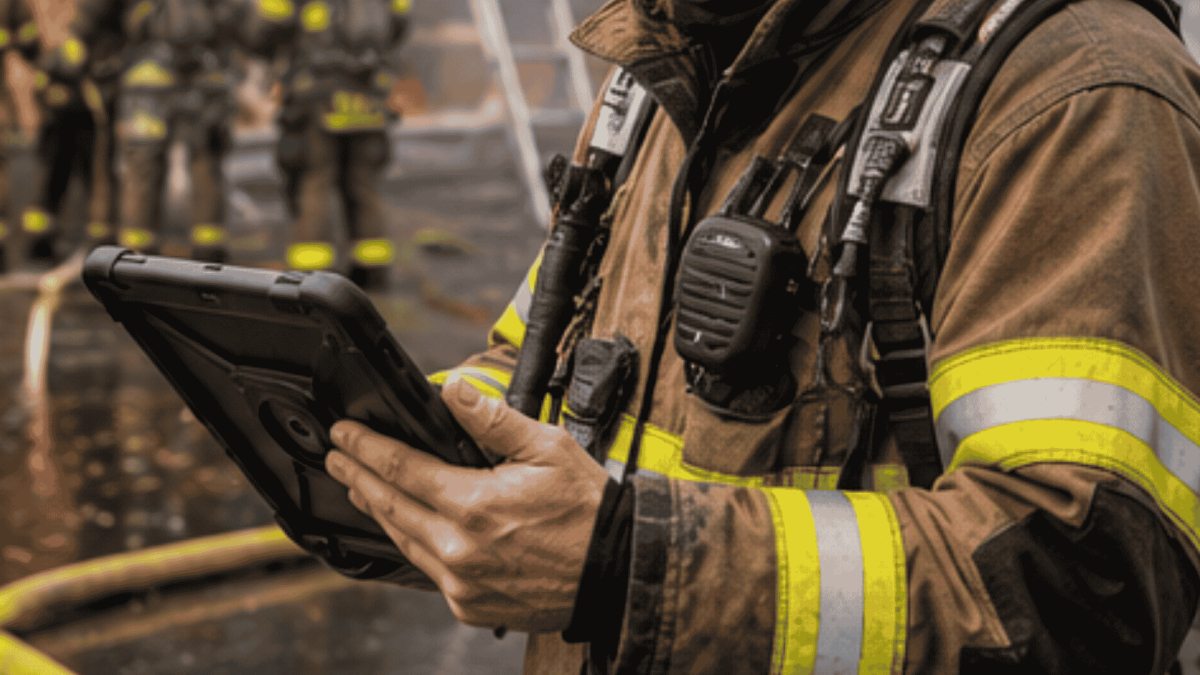
Picture a fire chief assembling a Standard of Cover for an accreditation review. The narrative is strong, the community risk assessment is thorough, and then the response-time numbers come up. Those numbers depend on timestamps that dispatchers keyed in by hand while juggling radio traffic across multiple calls. The chief knows some of them are approximations, and a peer reviewer is about to examine them line by line.
That's the quiet problem at the center of many accreditation efforts. It's not a lack of effort or commitment. It's that manually collected response data often can't withstand the scrutiny that accreditation demands. When your case for continuous improvement rests on the precision of your data, the way you capture that data matters as much as the work you put into analyzing it.

Every shift, firefighters juggle responsibilities far beyond running calls. Hand-keying incident reports, radioing in status updates, flipping through outdated binder preplans, and manually tracking unit locations all eat into time better spent on training, community outreach, or resting between emergencies.
Modern fire department response software can automate the most tedious parts of the job, giving crews back hours every week while improving the accuracy of data departments depend on for accreditation, ISO ratings, and funding. Below are five specific ways the right fire department MDT software reduces firefighter workload.