Case Studies
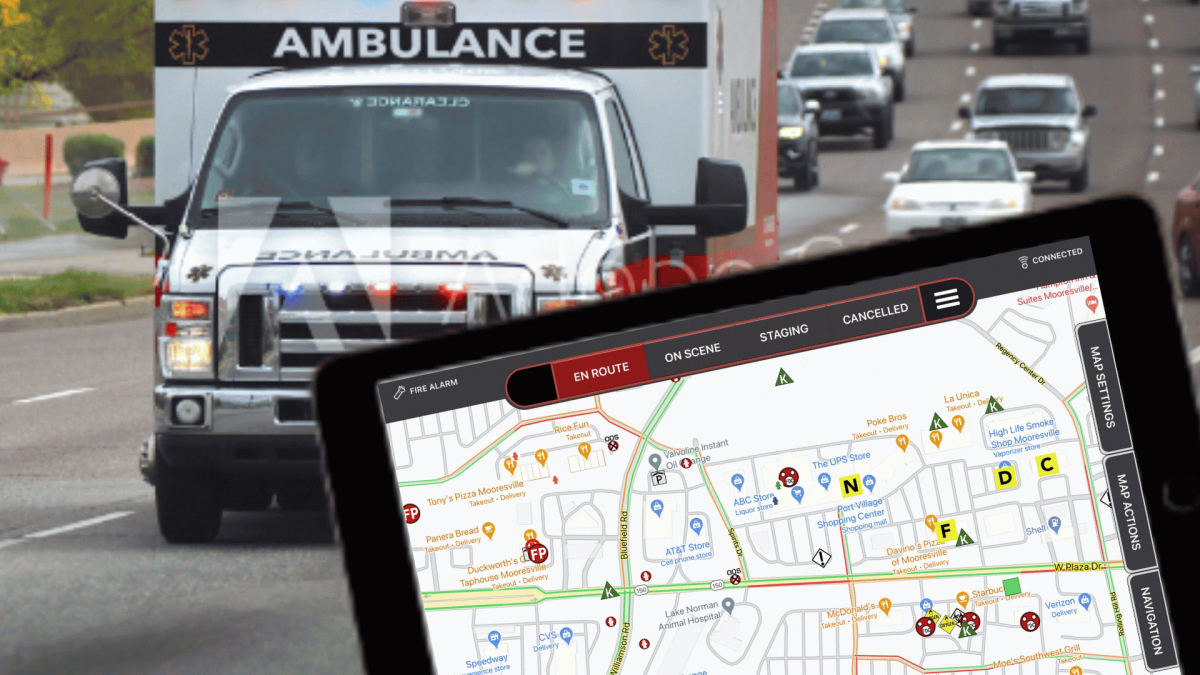
StreetWise and First Arriving both come up when a department starts shopping for response and station technology, but putting them side by side can be confusing at first, because they're really different kinds of tools. One is built to consolidate information from all your systems into clear station dashboards. The other is built to run the response itself, from the apparatus to the records system. Understanding that difference is the whole game when deciding which one your department actually needs.
This guide walks the comparison honestly. Both products are well regarded and solve real problems, and in fact some departments run a dashboard product alongside a response platform rather than choosing between them. The goal here isn't to crown a winner, it's to help your committee figure out which need you're solving and which tool fits it.
A note on our sources: the details about First Arriving in this article are drawn from publicly available information, including First Arriving's own product materials, as of publication. Features and offerings change over time, so we'd encourage you to check First Arriving's website directly for the most current details before making a decision.
When budget season rolls around and a department starts evaluating response technology, a few names come up again and again. StreetWise and Bryx are often on the same shortlist, and for good reason: both are respected, both serve fire and EMS agencies, and both are built by teams that clearly understand the fire service. But they're built on different philosophies, and that difference is the most important thing for a chief to understand before signing anything.
This isn't a case of one platform being universally better than the other. It's a case of matching a tool to what your department actually needs most. If your top priority is the fastest possible alerting and station automation, that points one direction. If it's deep integration with your CAD and records systems, preplan management, and accreditation-grade data, that points another. This guide walks the key dimensions honestly so your committee can decide on fit.
A note on our sources: the details about Bryx in this article are drawn from publicly available information, including Bryx's own product listings and company materials, as of publication. Features and offerings change over time, so we'd encourage you to check Bryx's website directly for the most current details before making a decision.
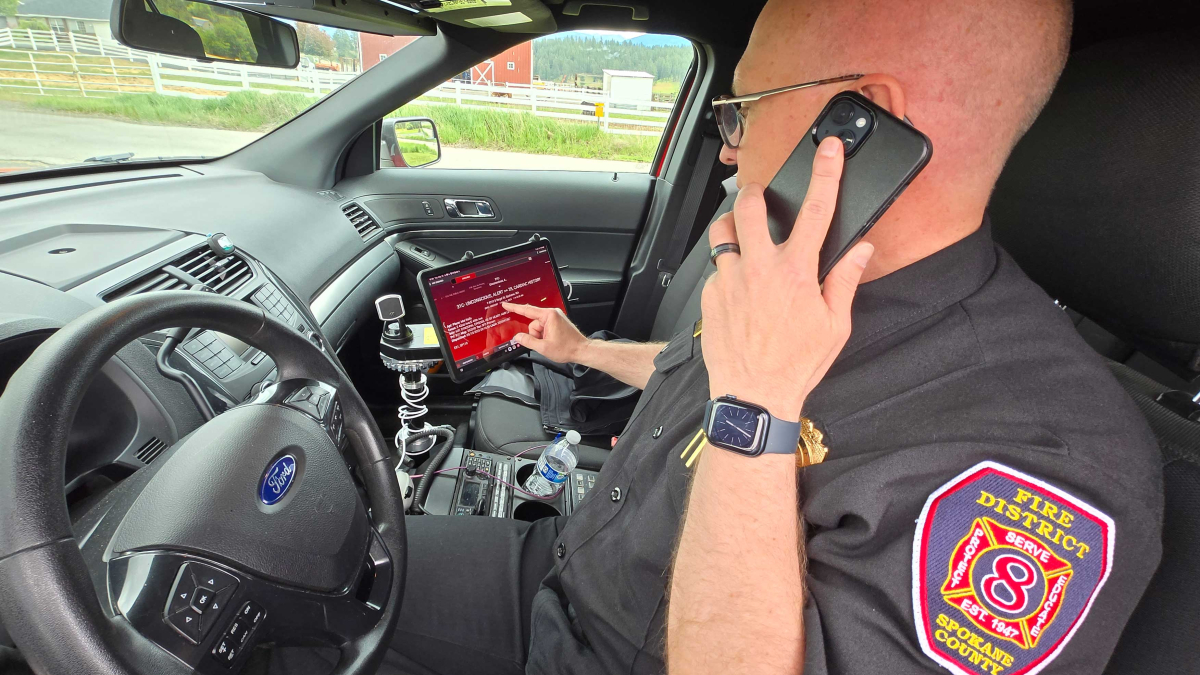
Spokane Fire Protection District 8 serves a population of 24,000 residents across a 110-square-mile area with four stations and 50 members. The department responds to approximately 4,500 calls annually, with emergency medical services (EMS) comprising the majority of their responses. While they operate within district boundaries, they also participate in closest-unit AVL auto-aid agreements with the City of Spokane and Spokane Valley Fire Department, effectively expanding their operational footprint. The department currently maintains an ISO rating of 4.
"We cover 110 square miles in the District; however, we do closest unit AVL auto aid with the City of Spokane and the Spokane Valley Fire Department, so our response area is bigger than the District borders," explains Fire Captain Jeffrey P. Wainwright of B-Shift at Spokane County Fire District 8.

The Forest City, NC Fire Rescue is located about an hour west of Charlotte and just 20 minutes north of the South Carolina state line. The department that has a class 4 ISO rating and responds to alarms within two minutes of receipt has been using StreetWise software almost since its inception.
Chief Ferrell Hamrick has been with the Forest City Fire Department for over 25 years. We spoke to him about the StreetWise all-in-one solution they use in the department.
Media
Image Gallery


https://www.streetwisecadlink.com/case-studies#sigProIdc6d274ff5e