EMS Response Time: How Fire-Based EMS Departments Can Close the Data Gap
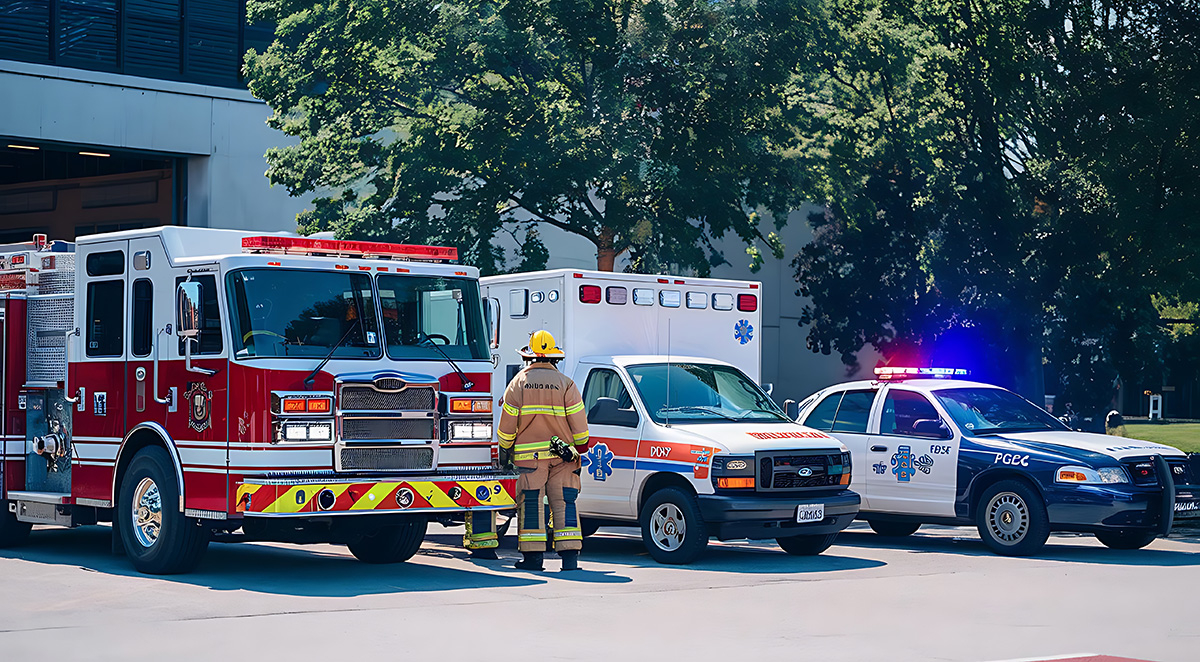
Here's a number that should reshape how every fire chief thinks about technology: 64% of all fire department runs in the United States are EMS and rescue calls. Only 4% are actual fires (U.S. Fire Administration, Fire Department Overall Run Profile). For combination departments — the departments most likely to be weighing technology investments right now — the ratio is often even more lopsided.
Spokane County Fire Protection District 8, for example, responds to approximately 4,500 calls annually, with EMS comprising the majority of their responses. They're not unusual. Across the country, the fire service has evolved into a predominantly medical response service that also fights fires.

It has been just over a year since the National Emergency Response Information System (NERIS) began its phased rollout across the United States. In that time, fire departments from coast to coast have navigated one of the most significant operational transitions the fire service has seen in decades — the shift from the legacy National Fire Incident Reporting System (NFIRS), which had served as the foundation for fire incident data collection since 1975, to a modern, cloud-based reporting and analytics platform built for today's all-hazards environment.
Firefighter Safety Metrics: Technology's Role in Reducing Line-of-Duty Injuries

Firefighting remains one of the most dangerous professions in the United States. According to the National Fire Protection Association (NFPA), an estimated 53,575 municipal firefighters were injured in the line of duty in 2024 (NFPA, United States Firefighter Injuries in 2024). While that figure represents a 15 percent decrease from the 63,175 injuries reported in 2023, it still translates to more than a thousand firefighters hurt every week across the country.
The same year, 62 on-duty firefighter fatalities were recorded nationally, with overexertion and strain accounting for 65 percent of those deaths (NFPA, Fatal Firefighter Injuries in the U.S. in 2024). Heart attacks alone made up nearly half of all fatalities. These numbers carry a sobering message: even as protective equipment and training protocols continue to improve, the fire service still faces an urgent, ongoing safety challenge.
StreetWise vs. Active 911: Why Integration Matters More Than Features

In the world of emergency response software, feature comparison charts often dominate the conversation. Departments evaluate options by counting capabilities, examining interface designs, and comparing price points. However, this approach overlooks what increasingly matters most to high-performing fire departments: integration capabilities.
As fire service technology ecosystems grow more complex, the ability of different systems to communicate seamlessly has become a critical differentiator—often more important than any standalone feature. This is particularly evident when comparing solutions like StreetWise and Active 911.